

Seasoned travelers often reach a point where the familiar names on a map start to feel less interesting than the places nobody mentions at dinner parties. Luxury travel destinations, in this sense, are not always the ones with the longest waitlists or the most photographed infinity pools. Condé Nast Traveler has long chronicled the quieter corners of the world where refinement exists without the crowds, and that body of coverage offers a useful starting point for rethinking what sophisticated travel actually looks like.
Understanding What Defines True Luxury Travel Experiences
Luxury, in its most meaningful form, has less to do with thread counts and more to do with scarcity of experience. A destination earns that label when it offers something genuinely difficult to replicate elsewhere, whether that is a private audience with a local artisan or an uncrowded stretch of coastline. Condé Nast Traveler‘s guides consistently point toward this distinction, favoring depth of experience over sheer opulence.
That shift in thinking matters because mass-market luxury has become, somewhat paradoxically, common. As a result, discerning travelers increasingly look past five-star branding toward smaller, less visible operators. Condé Nast Traveler’s travel reviews and guides reflect that same appetite, pointing readers toward lesser-known names rather than repeating the same shortlist of global hotspots.
Mediterranean Coastal Towns With Boutique Hotel Culture

Beyond the familiar ports of call, smaller Mediterranean towns have cultivated a boutique hotel culture built on intimacy rather than scale. These properties often occupy converted villas or former monasteries, favoring character over uniformity. The appeal lies in the contrast with larger resort chains, where personality is frequently smoothed out in favor of consistency.
Such towns also tend to preserve a slower rhythm of daily life, which in turn shapes the kind of hospitality on offer. Meals stretch longer, service feels less scripted, and the towns themselves resist overdevelopment. This is why many seasoned travelers now treat these coastal destinations as a deliberate alternative to the standard circuit.
Private Island Escapes and Secluded Resort Communities
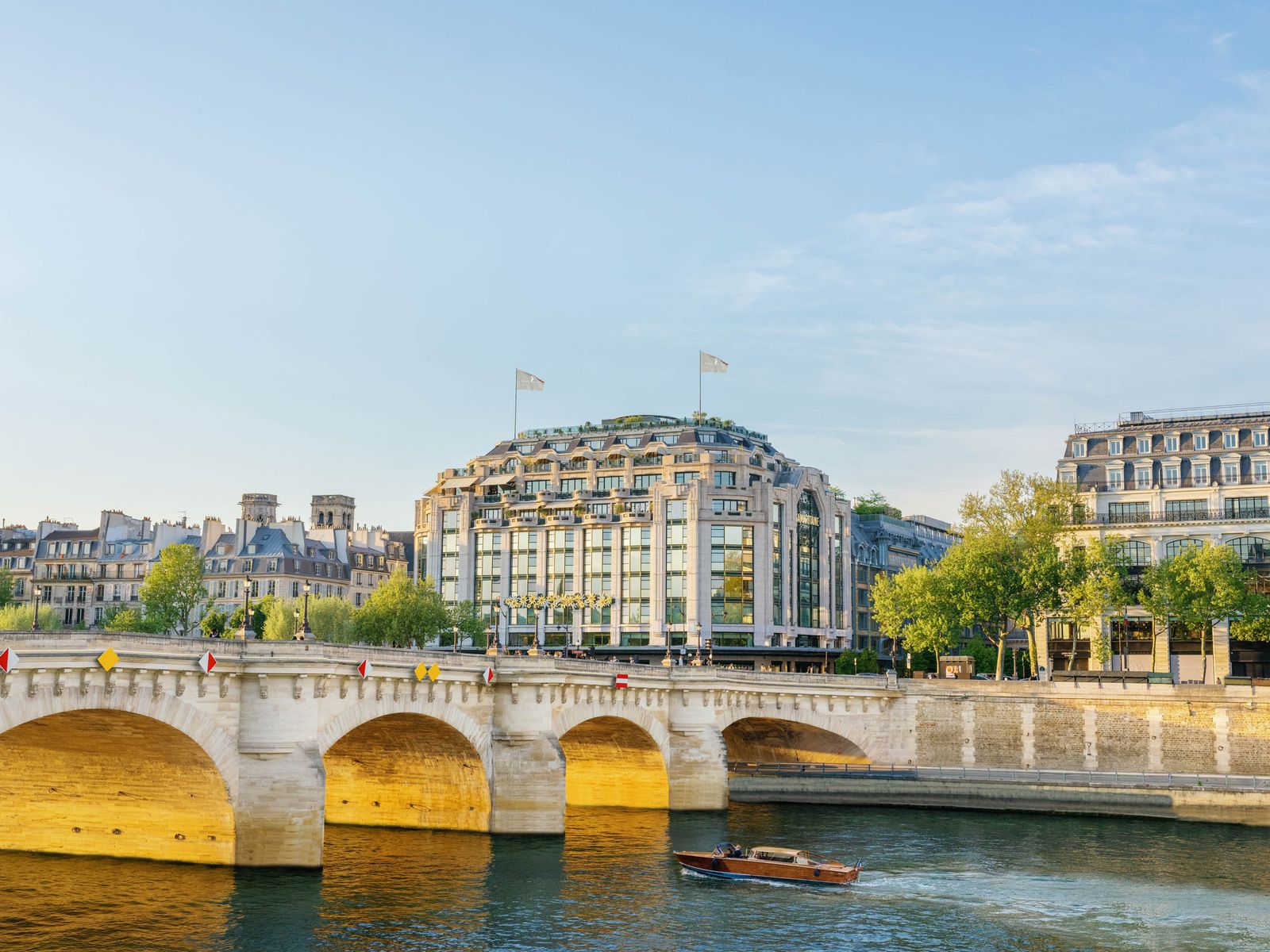
Private islands and secluded resort communities represent another category of luxury travel destinations, one defined almost entirely by seclusion. Access is often limited by design, whether through small guest counts or restricted transport options. That limitation, rather than being a drawback, becomes part of the appeal for travelers seeking distance from crowded itineraries.
These communities frequently emphasize a close relationship with their surrounding landscape, from marine environments to untouched forest. In addition, the smaller scale allows for a level of personal attention that larger resorts struggle to match. The result is an experience built around quiet rather than spectacle.
Cultural Immersion in Historic European and Asian Capitals
Historic capitals across Europe and Asia offer a different kind of luxury, one rooted in access to culture rather than isolation from it. Private tours of museums after public hours, meals prepared by chefs working from centuries-old recipes, and stays in heritage properties all fall under this category. Condé Nast Traveler‘s city guides often highlight exactly these kinds of experiences, treating cultural access as a luxury in its own right.
What distinguishes this approach from standard sightseeing is depth of context. Rather than moving quickly between landmarks, travelers engage with a single neighborhood or tradition in detail. That slower pace allows for a more layered understanding of place, which many consider the true marker of sophisticated travel.
Wellness-Focused Retreats in Understated Luxury Settings

Wellness retreats have grown considerably, yet the most sought-after examples tend to avoid ostentation entirely. Understated architecture, muted color palettes, and a focus on natural surroundings often replace the more obvious markers of luxury. The emphasis shifts toward restoration rather than display.
These settings frequently integrate local traditions into their offerings, from regional food practices to traditional therapies. Because of that, no two wellness destinations tend to feel alike, even within the same broad category. Condé Nast Traveler has covered this diversity extensively, documenting how understatement itself has become a form of prestige.
- Refined luxury destinations tend to limit guest numbers rather than maximize occupancy.
- They prioritize distinctive architecture and local character over standardized design templates.
- Service in these settings is often personal and unscripted, rather than following a rigid script.
- Many such destinations maintain close ties to surrounding landscapes, culture, or craft traditions.
- Exclusivity is usually achieved through scarcity of access, not simply through higher spending.
Bespoke Travel Planning and Insider Access for Discerning Travelers

Planning a trip around these kinds of destinations requires a different research approach than browsing conventional hotel listings. Insider access, whether to a private dining room or a closed cultural site, rarely appears on mainstream booking platforms. This is where detailed, well-sourced travel journalism becomes useful rather than decorative.
Condé Nast Traveler publishes exactly this kind of guidance, combining destination reviews with practical tips drawn from firsthand reporting. For travelers piecing together an itinerary beyond the standard circuit, that editorial depth offers a reliable starting point. It also reflects a broader shift in how luxury travel destinations are discovered, researched, and ultimately experienced.
Sophisticated travel, in the end, is less about following a map than about reading between its lines.